Schneider-Canet
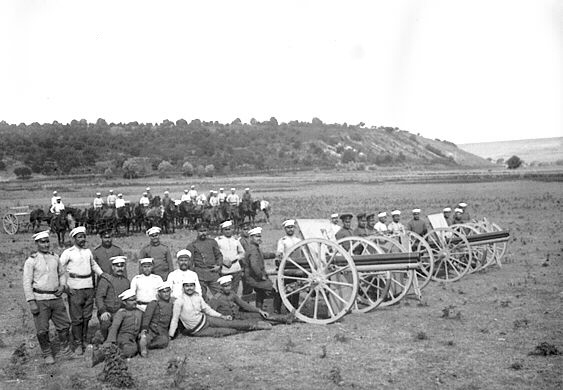
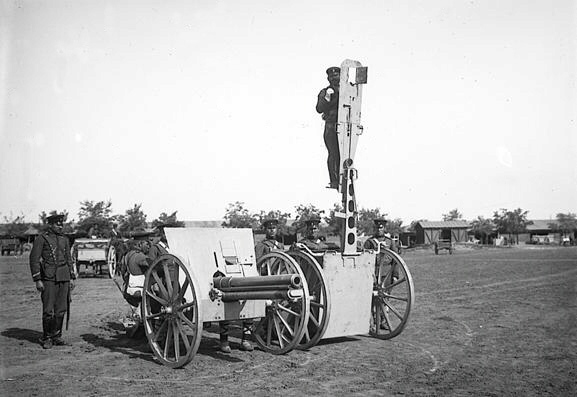
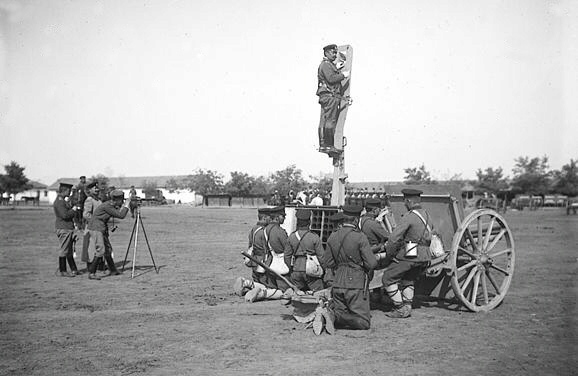
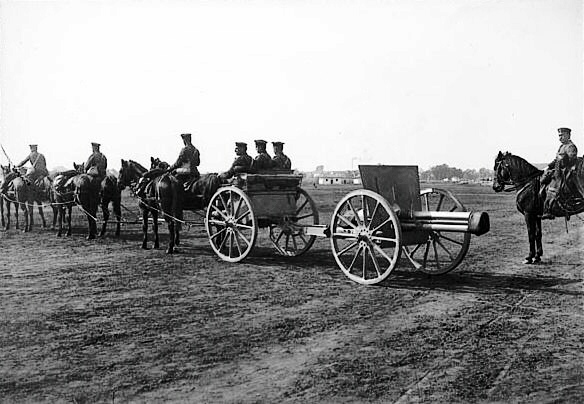
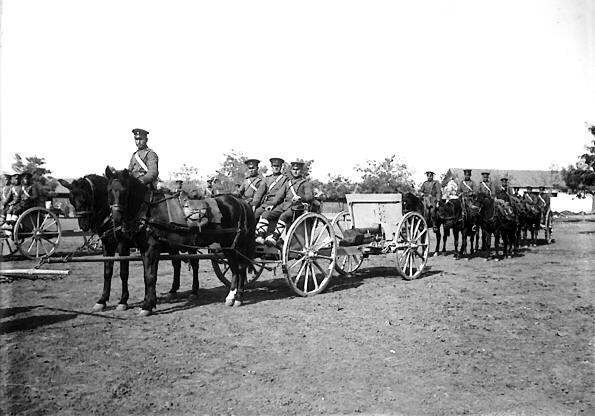
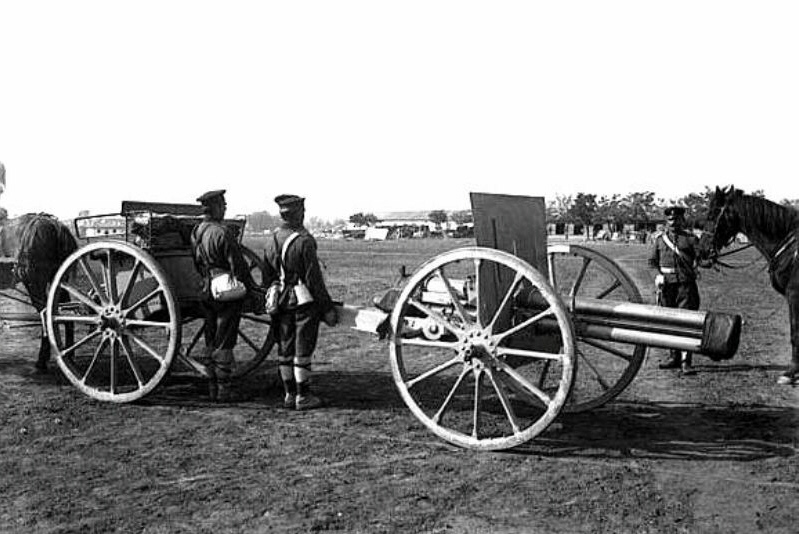
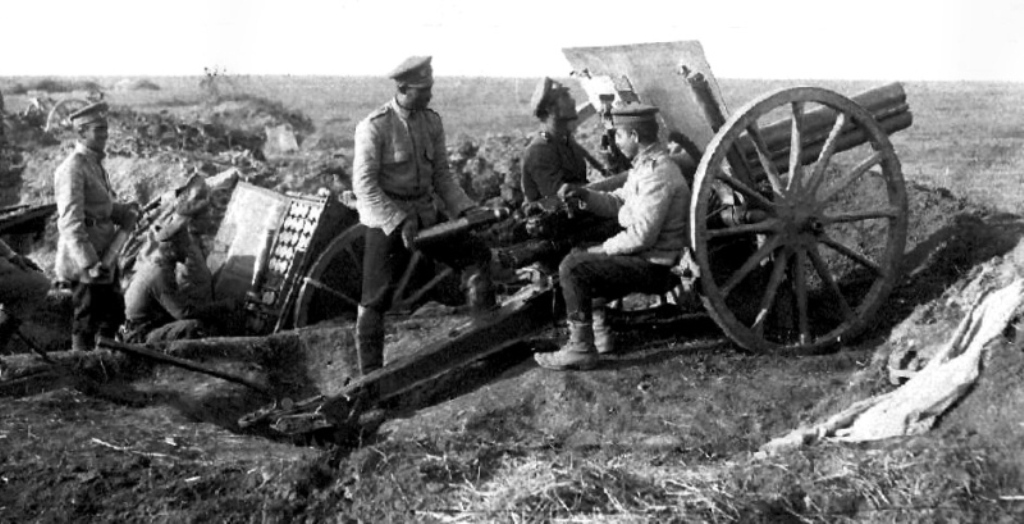
75mm field gun M. 1904
|
|
|
Bulgarian designation : |
75-мм
скорострелно
полско
оръдие
“Шнайдер” |
|||
|
Schneider designation : |
Matériel de campagne à tir rapide
de |
|||
|
Calibre : |
75 mm L/32 |
|||
|
Groove diameter : |
76.8 mm |
|||
|
Weight of the barrel : |
380 kg |
|||
|
Weight of the breech-block : |
13.8 kg |
|||
|
Weight of the recoil gear : |
120 kg |
|||
|
Weight of the cradle : |
88 kg |
|||
|
Weight of the trail : |
250 kg |
|||
|
Weight in action : |
1050 kg |
|||
|
Weight of the limber : |
390 kg
(empty) – 710 kg (loaded) |
|||
|
Weight in marching order : |
1760 kg |
|||
|
Weight of ammunition
wagon : |
1700 kg |
|||
|
Length of the whole gun : |
4.100 m
(without the traversing lever) |
|||
|
Length of the teamed gun : |
8300 m |
|||
|
Barrel length : |
|
|||
|
Rifling |
length : |
2.016 m –
26.5 calibres |
||
|
twist : |
uniform, |
|||
|
angle of twist : |
6° |
|||
|
Barrel
grooves |
number : |
24 |
||
|
width : |
6.8 mm |
|||
|
depth : |
0.9 mm |
|||
|
Height of the line of fire : |
|
|||
|
Height of the gun axle : |
840 mm |
|||
|
Shield |
weight : |
83 kg (lower
part – 30 kg, upper part – 53 kg) |
||
|
height: |
|
|||
|
thickness : |
|
|||
|
Schneider ammunition |
|
|||
|
Cartridge |
length : |
535 mm |
||
|
weight : |
1.24 kg |
|||
|
shelled : |
8.380 kg |
|||
|
charge : |
563 g of
Poudre BM3 (French smokeless powder) |
|||
|
Shrapnel E.C. 1 |
weight : |
240 bullets
x |
||
|
fuze : |
time and
percussion - weight : |
|||
|
max. range : |
|
|||
|
Shrapnel E.C. 2 |
weight : |
300/315
bullets x |
||
|
length : |
292.5 mm |
|||
|
fuze : |
time and
percussion - weight : 273 g |
|||
|
max. range : |
|
|||
|
Krupp ammunition |
|
|||
|
Cartridge |
length : |
535 mm |
||
|
weight : |
1.25 kg |
|||
|
shelled : |
8.28 kg |
|||
|
charge : |
450 g of Rottweil smokeless powder |
|||
|
H.E. Shell |
weight : |
|
||
|
fuze : |
percussion -
weight : 290 g |
|||
|
max. range : |
|
|||
|
Shrapnel |
weight : |
308/322 lead
bullets x |
||
|
fuze : |
time and
percussion - weight : |
|||
|
max. range : |
|
|||
|
H.E.
Shrapnel |
weight : |
294 bullets
x |
||
|
fuze : |
time and
percussion |
|||
|
max. range : |
|
|||
|
Ehrhardt ammunition |
|
|||
|
H.E. Shrapnel |
length : |
535 mm |
||
|
weight : |
225 bullets
x |
|||
|
fuze : |
Ehrhardt Doppel Zünder c/1907 |
|||
|
max. range : |
|
|||
|
Muzzle velocity : |
500 m/s |
|||
|
Remaining velocity : |
at at at at at at |
official
data furnished by Schneider, Canet, et Cie., |
||
|
Angle of descent : |
at at at at at at at at at at at |
|||
|
Quadrant angle at max. range : |
20° |
|||
|
Line of sight |
height : |
|
||
|
length : |
|
|||
|
Elevation : |
+ 16° / - 5° |
|||
|
Traversing angle : |
6° (52 millièmes) |
|||
|
Recoil : |
1200/1235
mm |
|||
|
Wheels |
weight : |
129 kg |
||
|
height : |
|
|||
|
track : |
|
|||
|
Transport : |
drawn
by six horses |
|||
|
Ammunition : |
gun limber –
38 shells, wagon limber – 38 shells, wagon body – 60 shells 12
ammunition wagons for every battery |
|||
|
Remarks : Quick firing
field gun, recoil system with hydraulic buffer and springs, swinging block
breech mechanism, traverse on axle. It had twin spring columns under the gun,
on either side of the buffer. They occupied less vertical space than a single
column, allowing the gun to be kept lower down on
the axletree. The carriage had no axletree seats, since the limber could
carry three gunners. The shield
was made of hardened Nickel steel and was designed
to withstand the bullets of the Romanian rifle even at close range. It was composed by two parts and had four little windows for
convenience of laying. The lower shield was in two separate portions, the
upper part fixed, while the lower one mobile. Unlike the Krupp shields it had not folding top. The gun was
equipped with collimateur with aiming circle and a spirit level
mounted on a special support. The sight was
graduated up to An armoured observatory
weighting |
||||
|
The data
came from Таблица за
стрелба
на 75 м/м полско
скорострелно
оръдие
образец 1904 год. Sofia : Печатница
Воененъ
Журналъ 1906. |
||||